Our Story
Alumni Capital Partners didn’t begin in a boardroom.
It began with a question. The idea was first developed by founder La’Naeschia O’Rear. As a first-generation college student, she understood that universities are more than institutions—they are access points. The spaces they create shape lives, careers, and entire futures. The tension became clear.
The traditional ways of giving back didn’t feel aligned.
A donation felt disconnected from tangible outcomes.
A financial investment offered returns, but no connection to the institution itself.
At the same time, universities are facing a growing reality: billions in deferred infrastructure needs and a set of financing tools that were no longer designed for long-term alignment.
The issue isn’t a lack of capital.
It is a lack of alignment.
That insight became the foundation for Alumni Capital Partners.
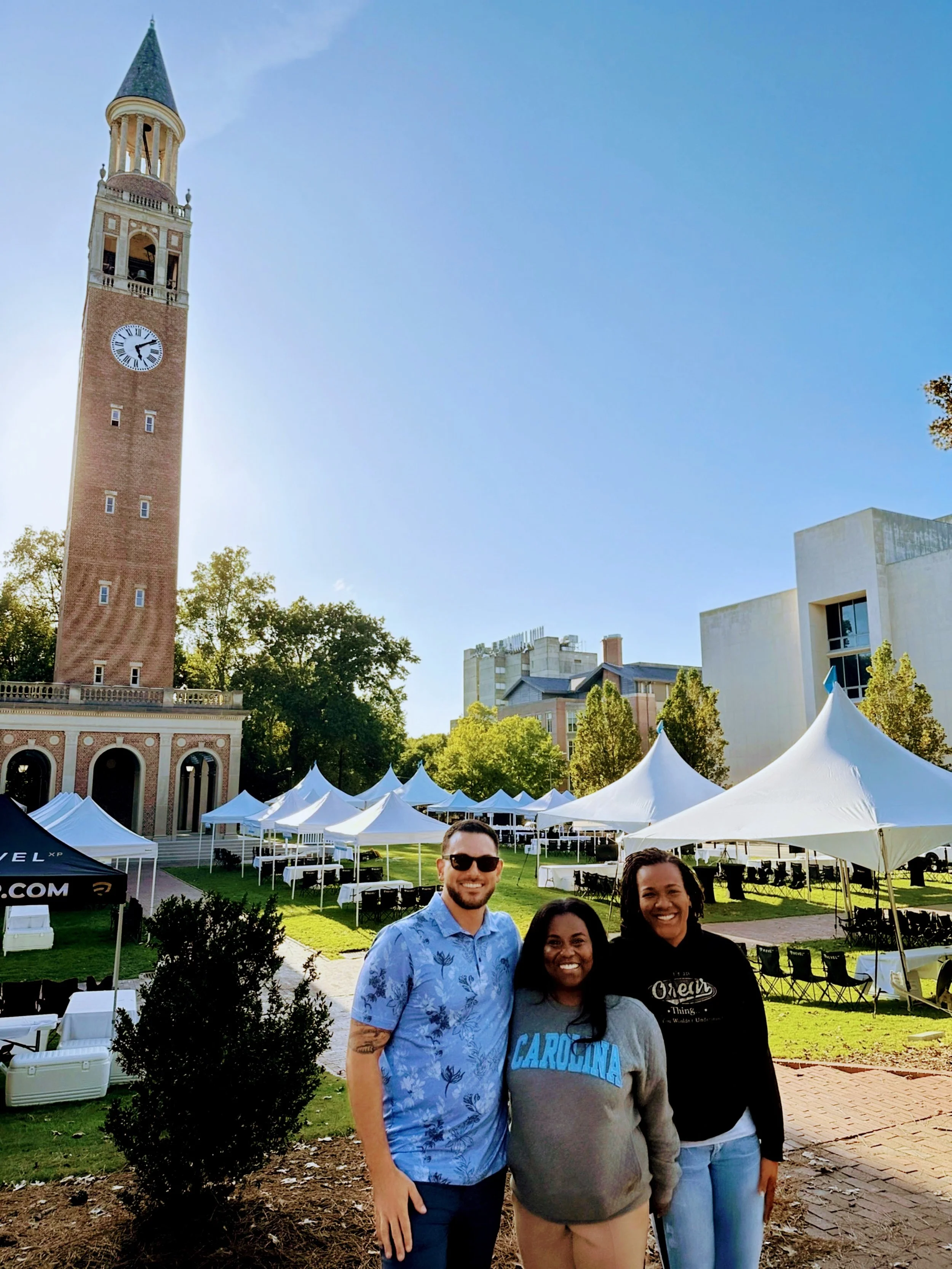
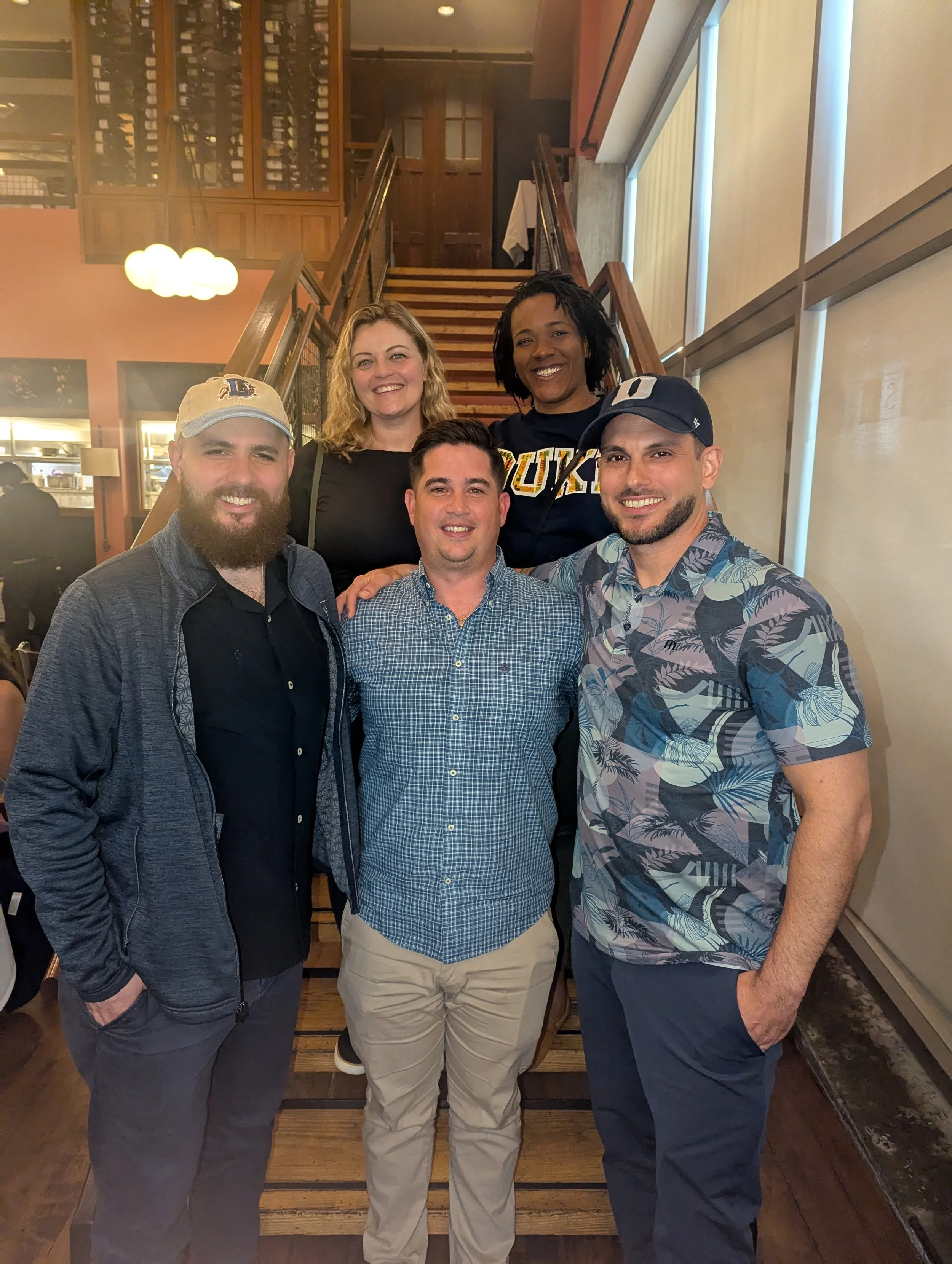
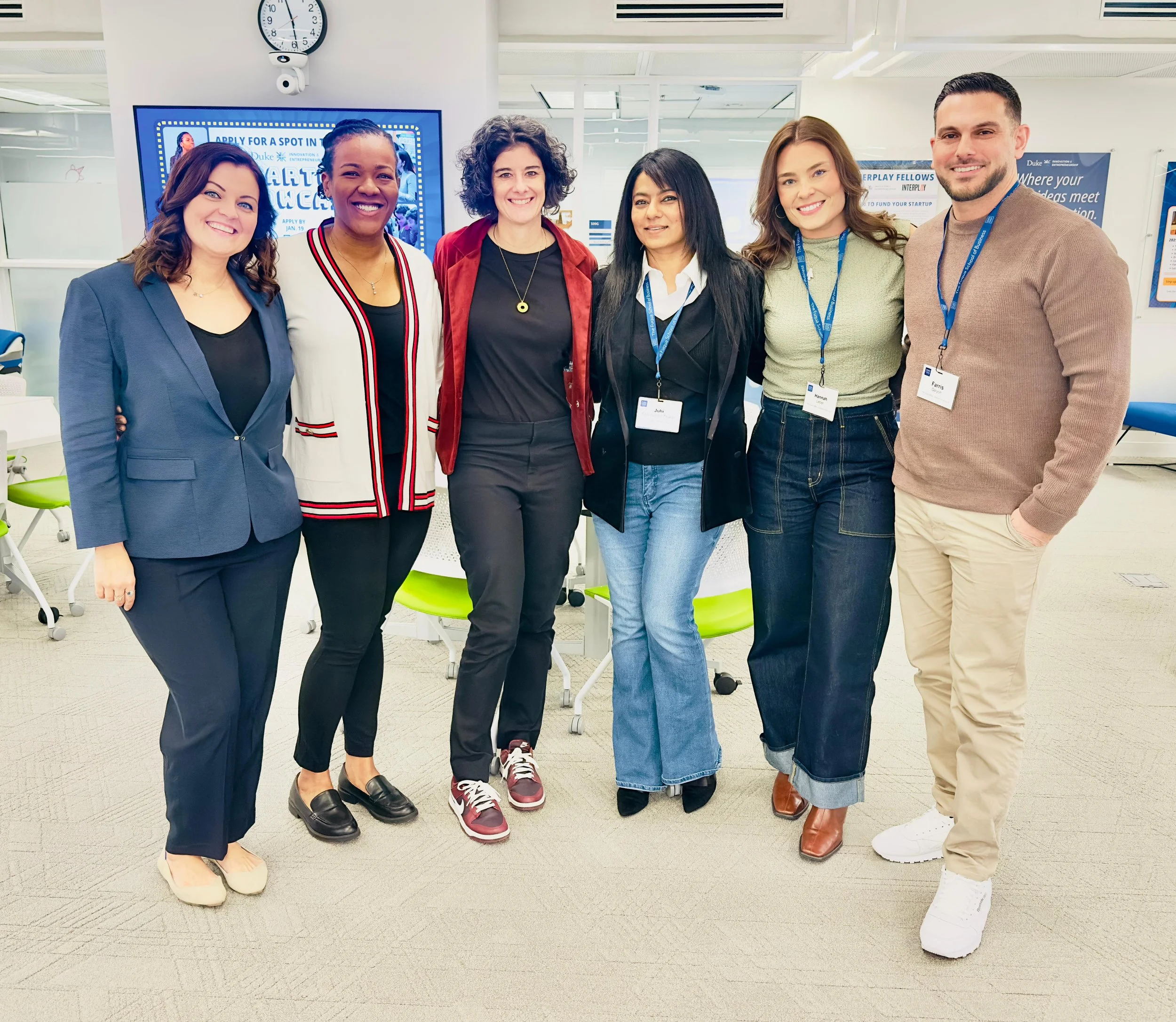
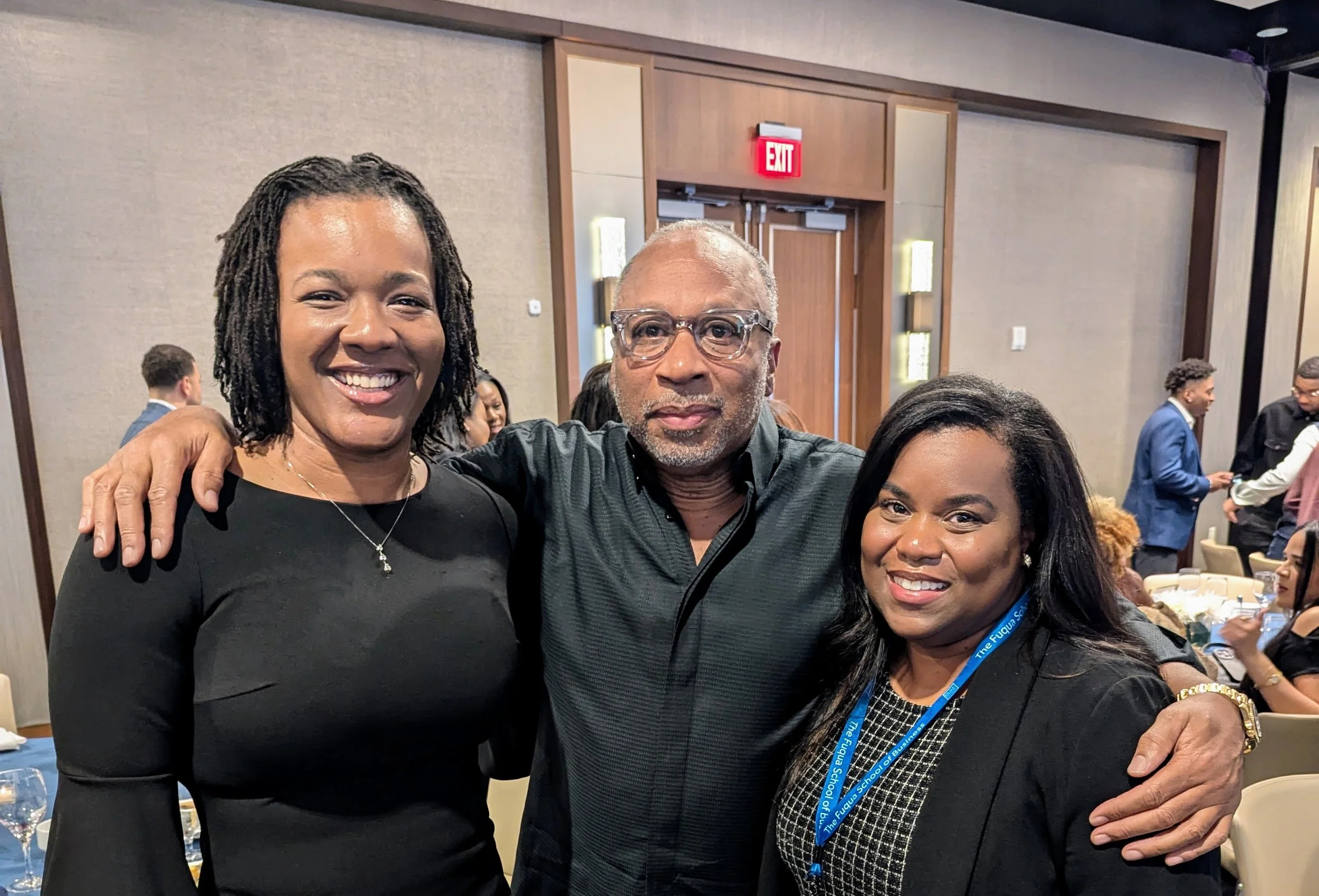
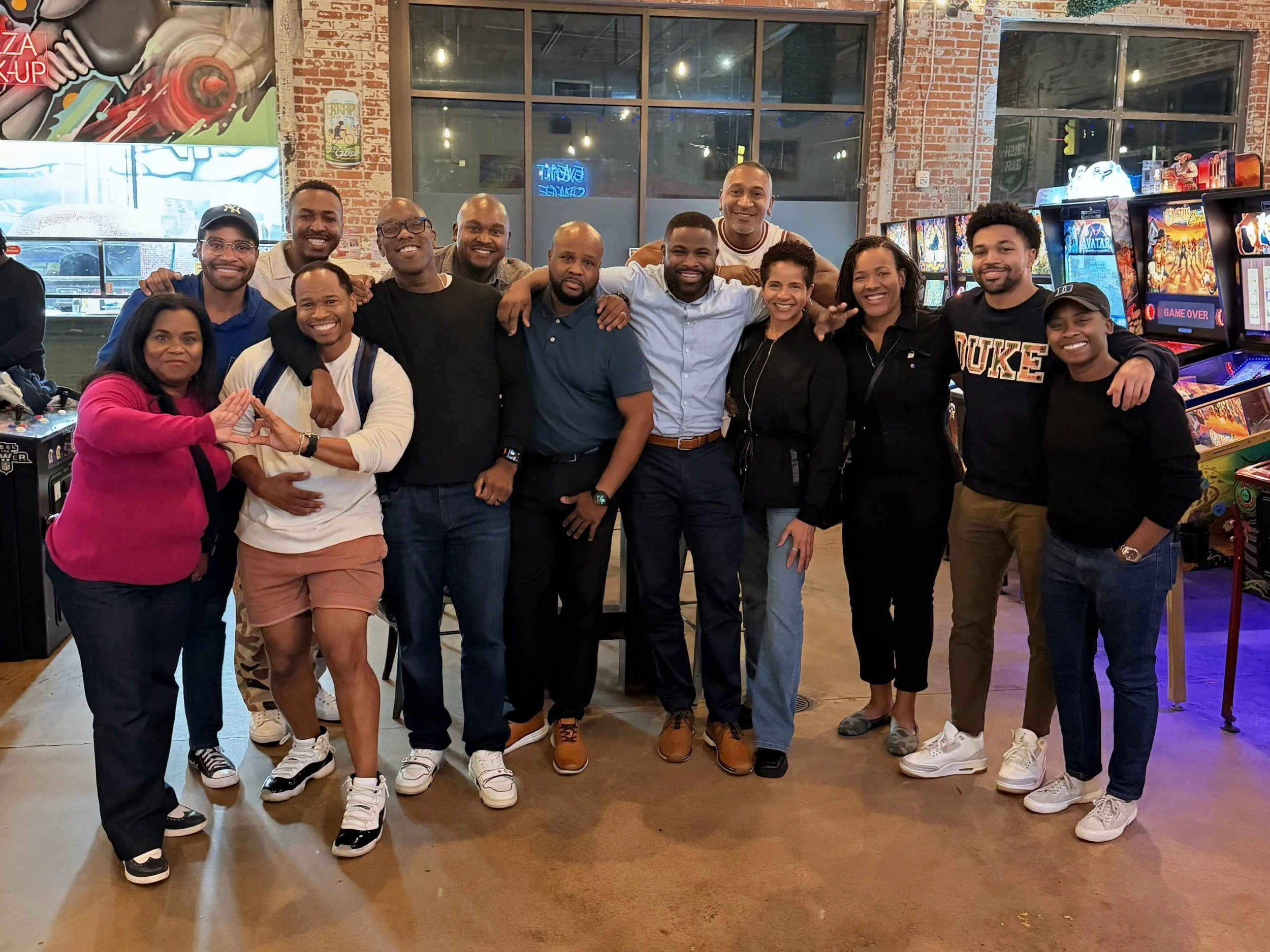
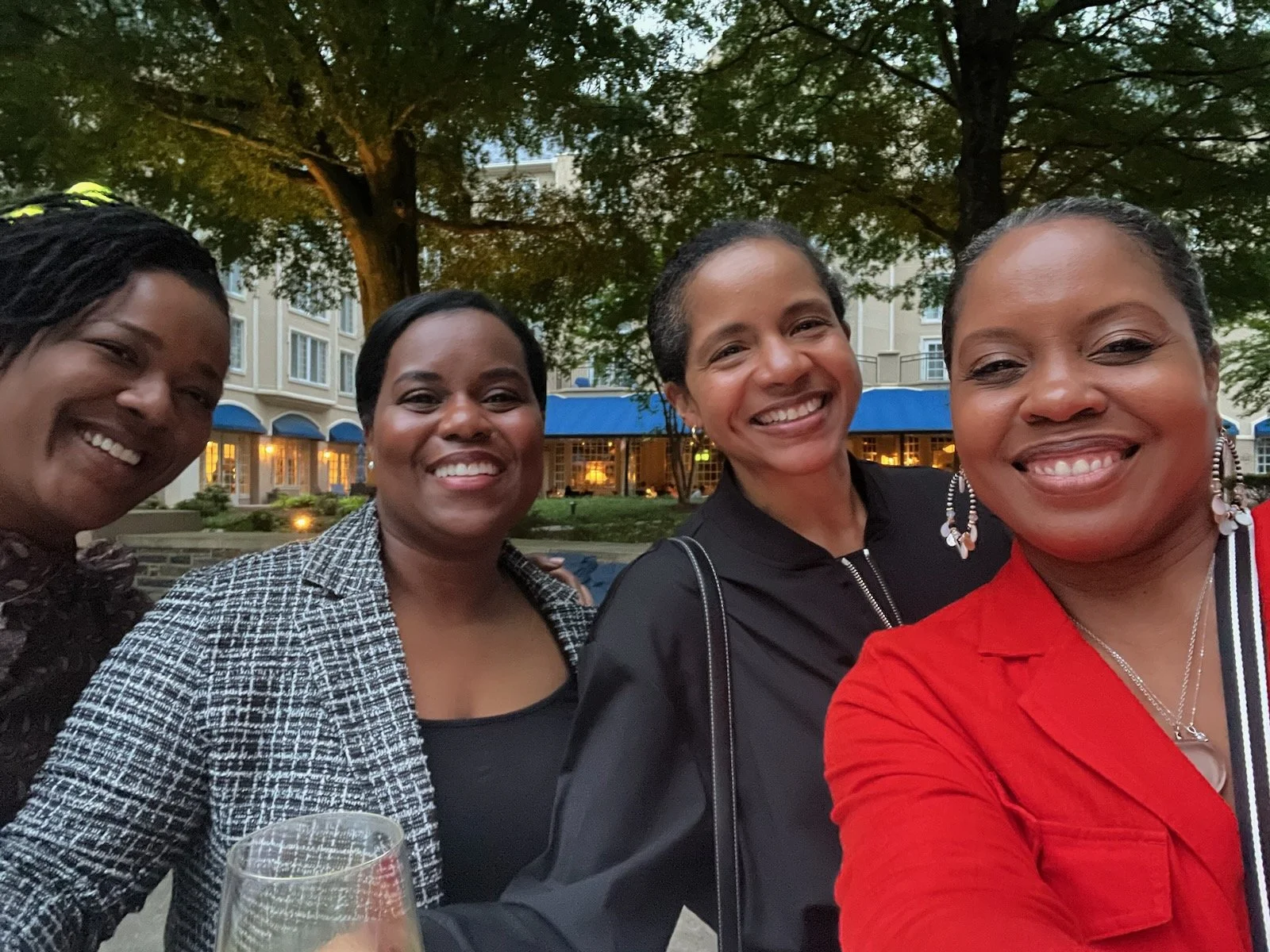
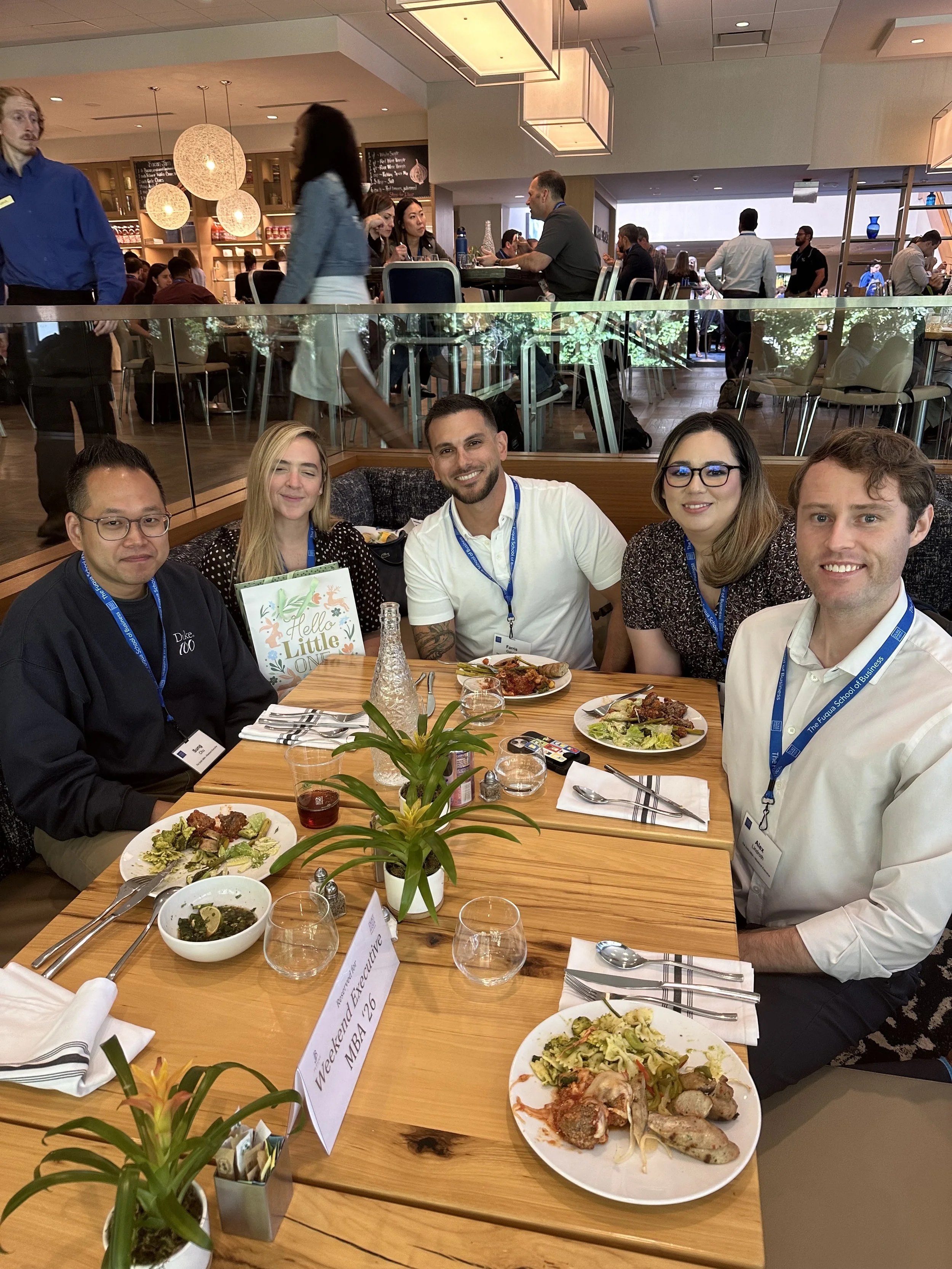
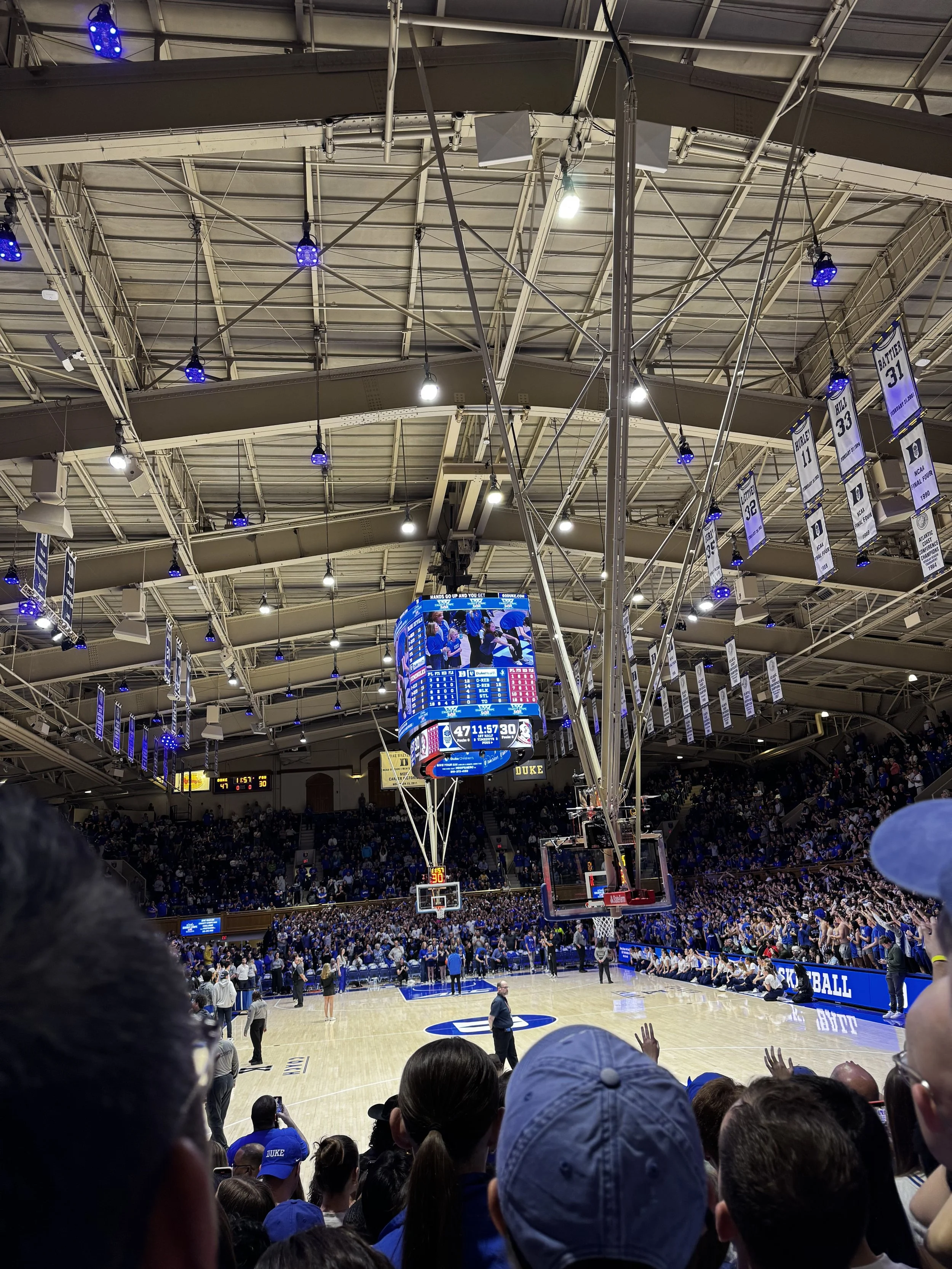
At Duke, the idea evolved into a working model. La’Naeschia partnered with Farris, a former Navy officer and startup CEO with deep expertise in finance and real estate, and Kamisha, a university executive with extensive experience in institutional strategy and operations.
Each brought a critical piece:
Strategic vision and direction
Financial structure and execution
Institutional insight and real-world application
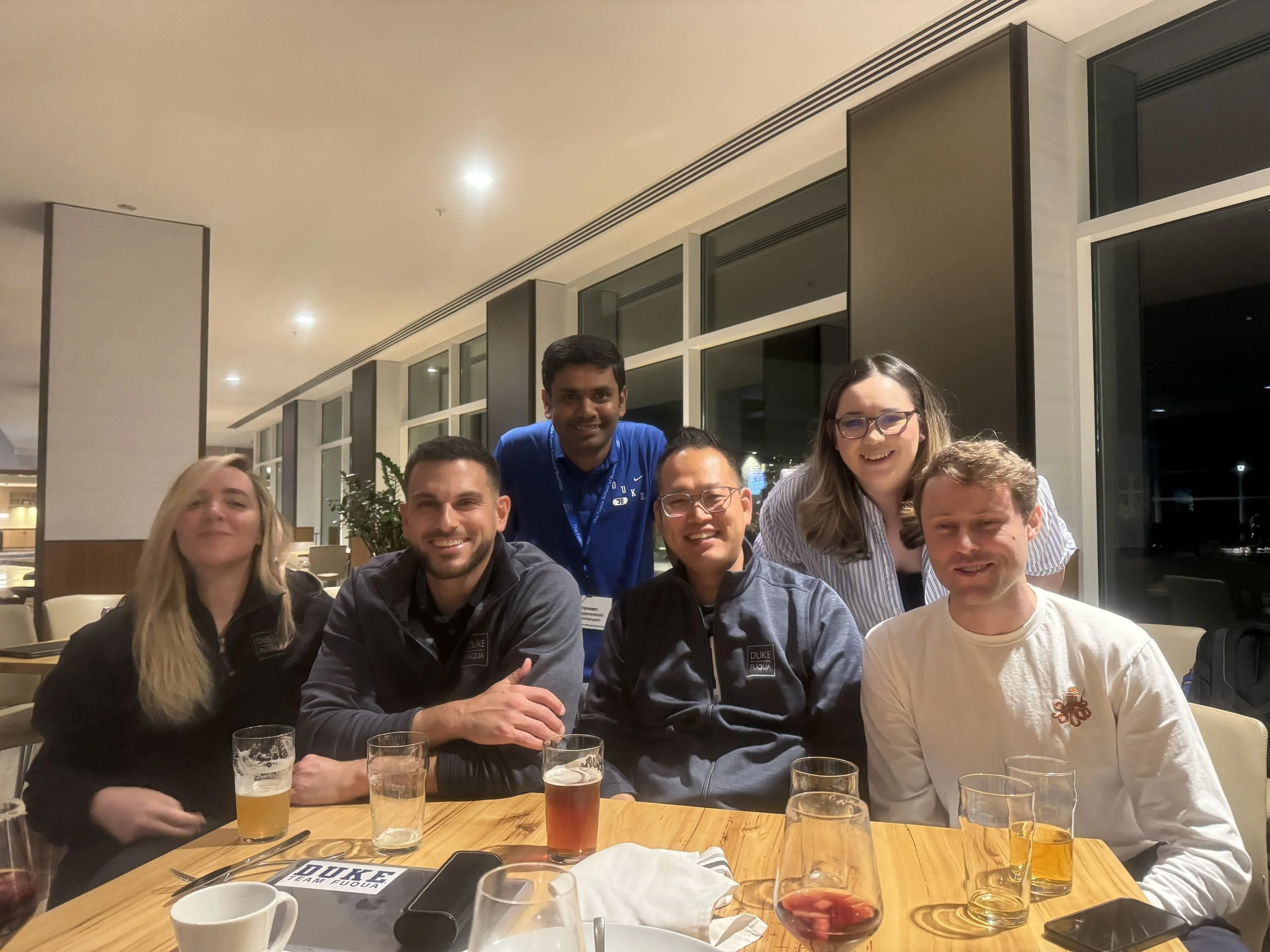
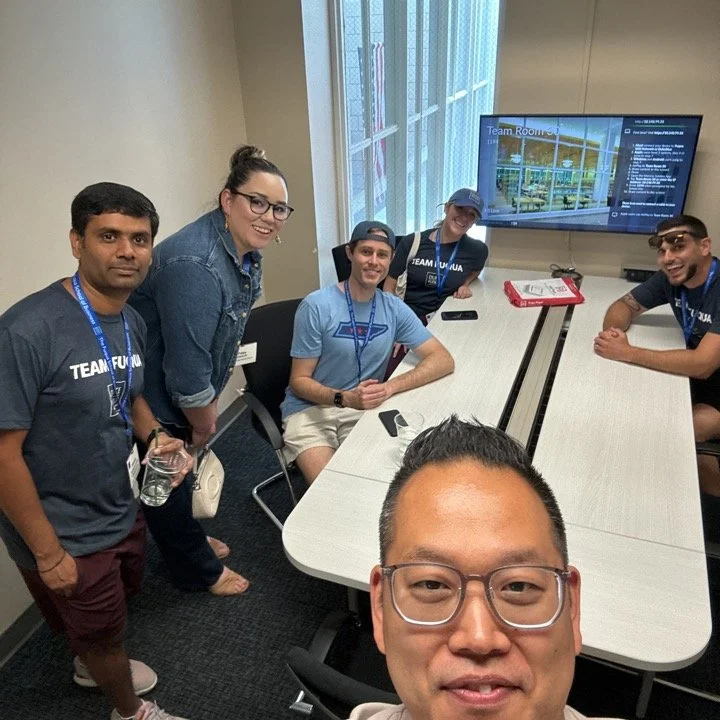
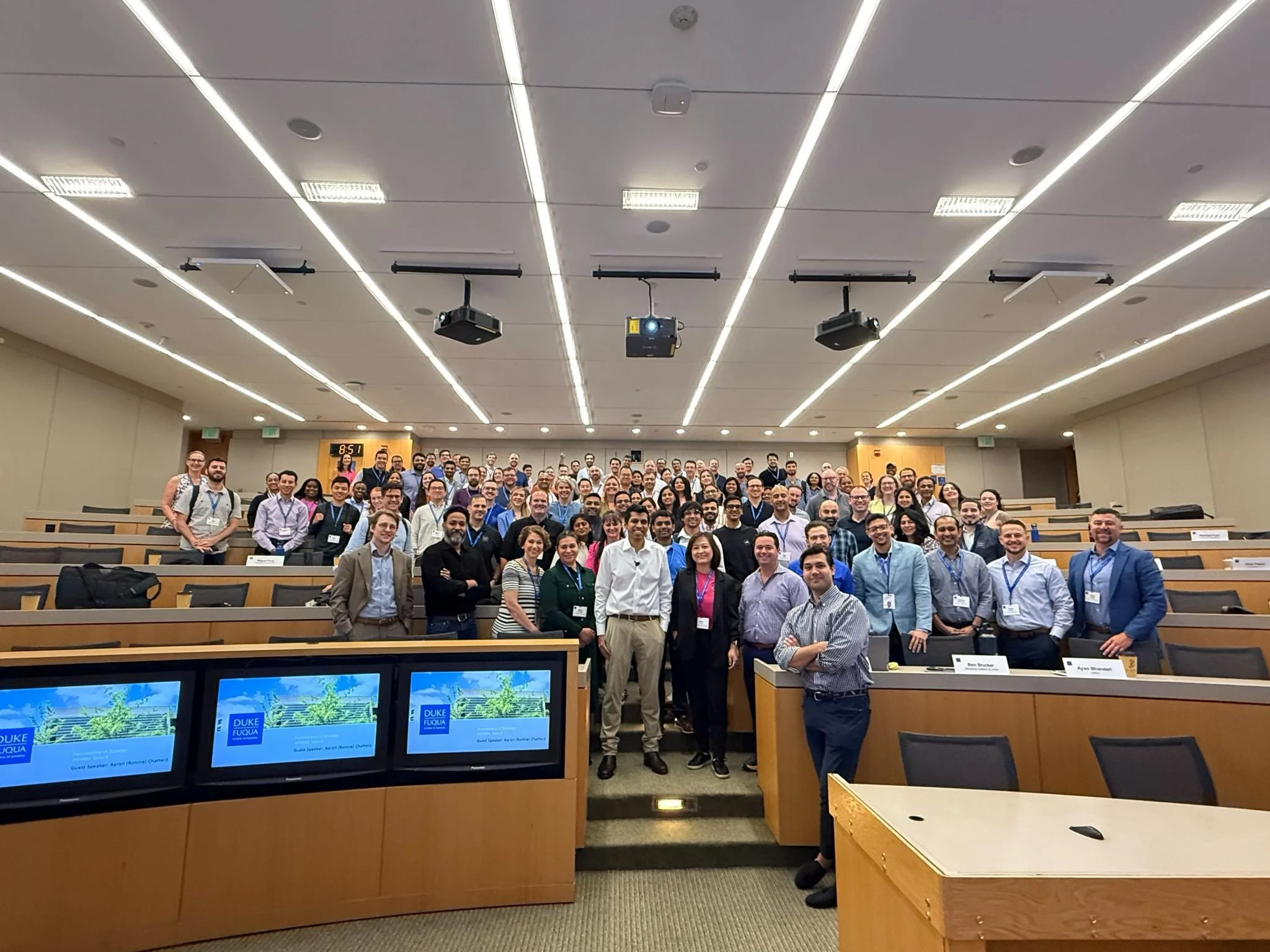
Together, the model was pressure-tested—through rigorous coursework, financial modeling, and direct conversations with university leaders.
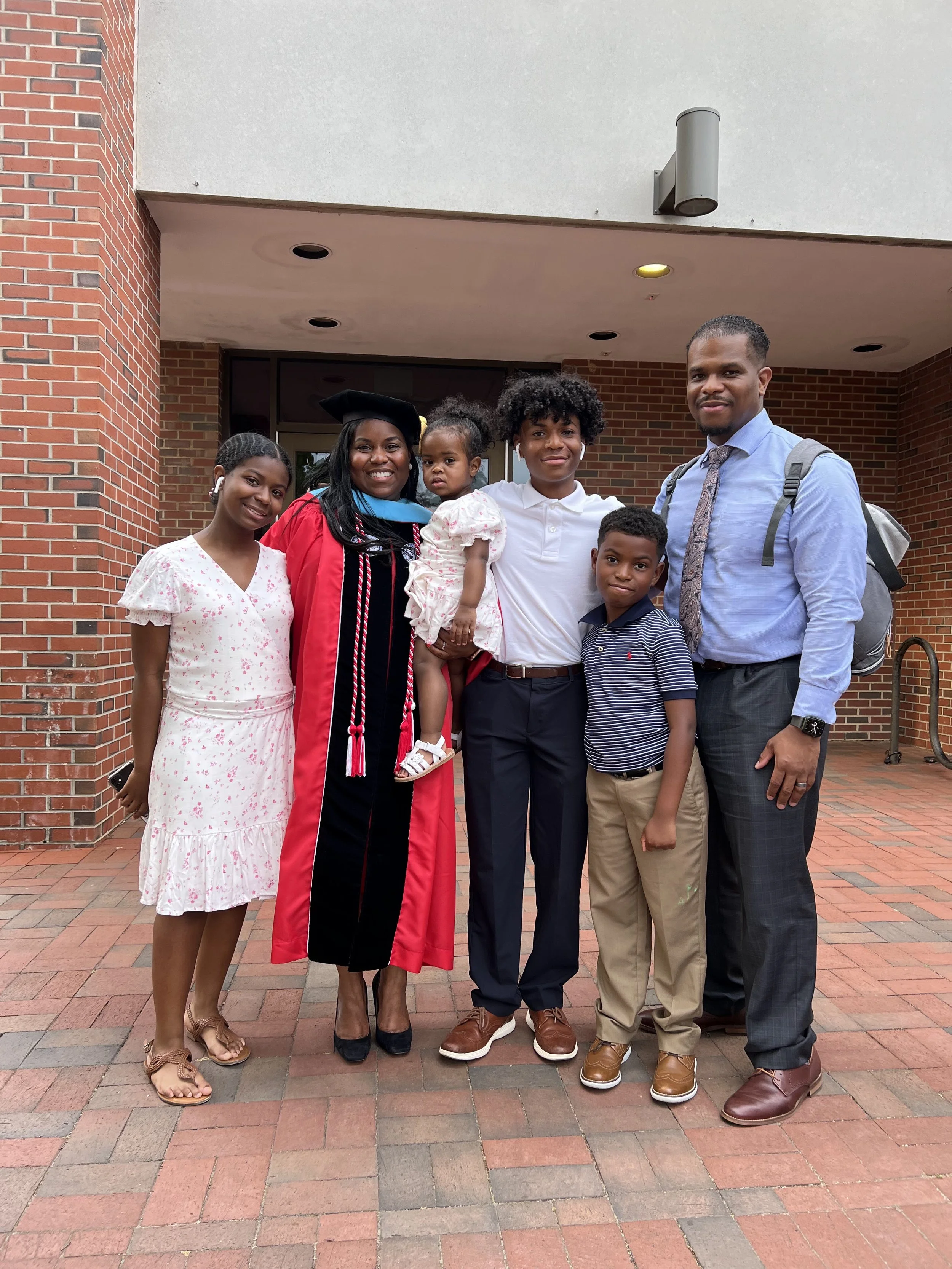
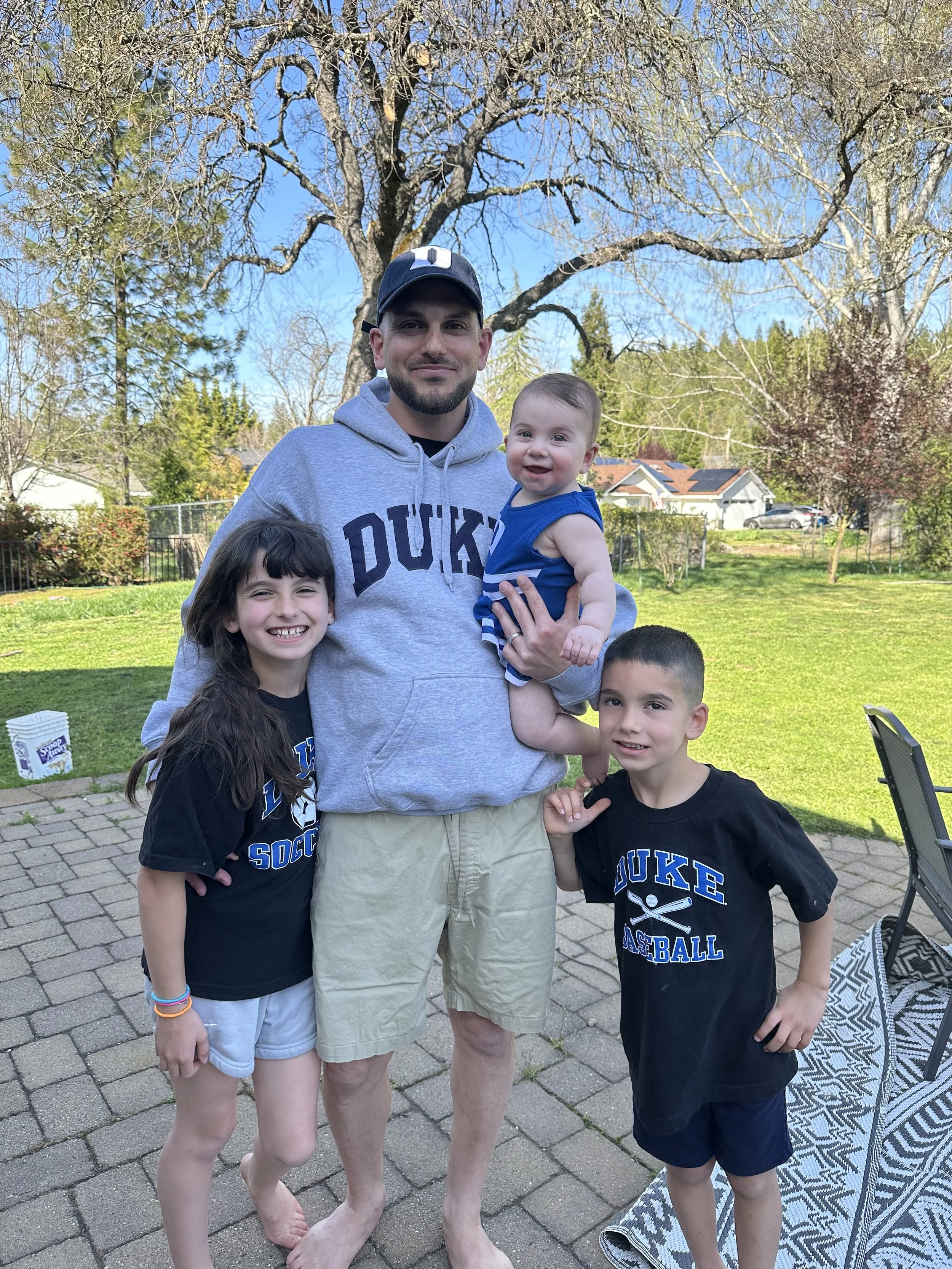
What emerged was not just a concept, but a new category. A new way to align capital with institutional mission. But what ultimately defines ACP isn’t just the problem it solves—it’s the perspective behind it. As parents, the team shares a long-term view. This work is not just about today’s campuses, but about ensuring that the next generation—our children—have access to institutions that are strong, relevant, and built to last.
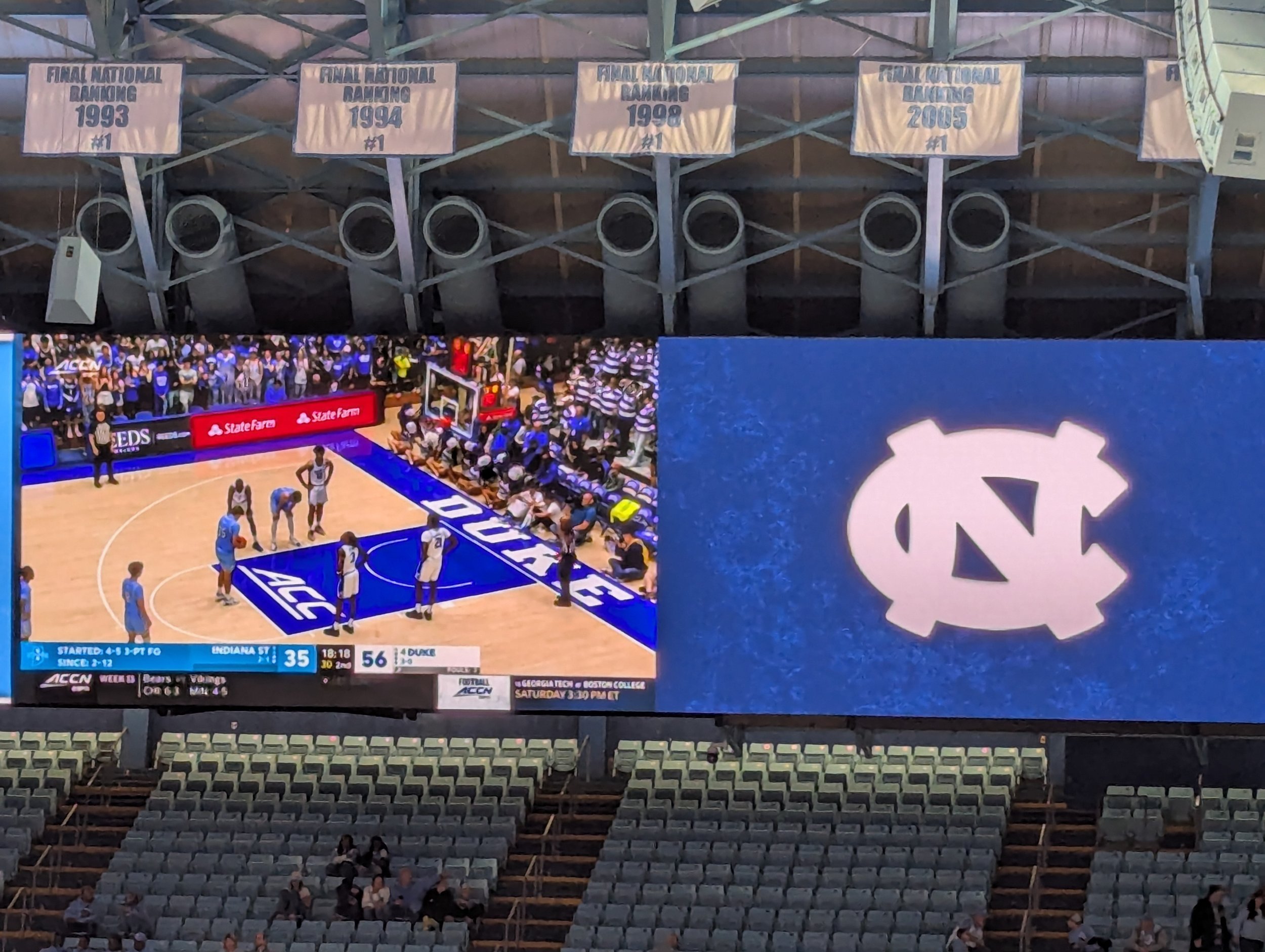
Alumni Capital Partners was built at Duke, but its purpose is much broader.
The firm exists to activate alumni capital as a true investment class—creating a pathway where financial return and institutional impact are no longer in conflict, but fully aligned.
Because when capital and mission move together, institutions don’t just sustain themselves—they build the future.